Hair loss does not always follow the same pattern or have the same cause. For people noticing thinning or bald areas in New York, New York, our hair loss evaluations at Manhattan Dermatology focus on identifying what may be contributing to the change before treatment begins. William T. Long, MD, FAAD is double board certified in dermatology and internal medicine and has more than three decades of experience caring for dermatologic concerns.
Gradual Thinning May Point to Pattern Hair Loss
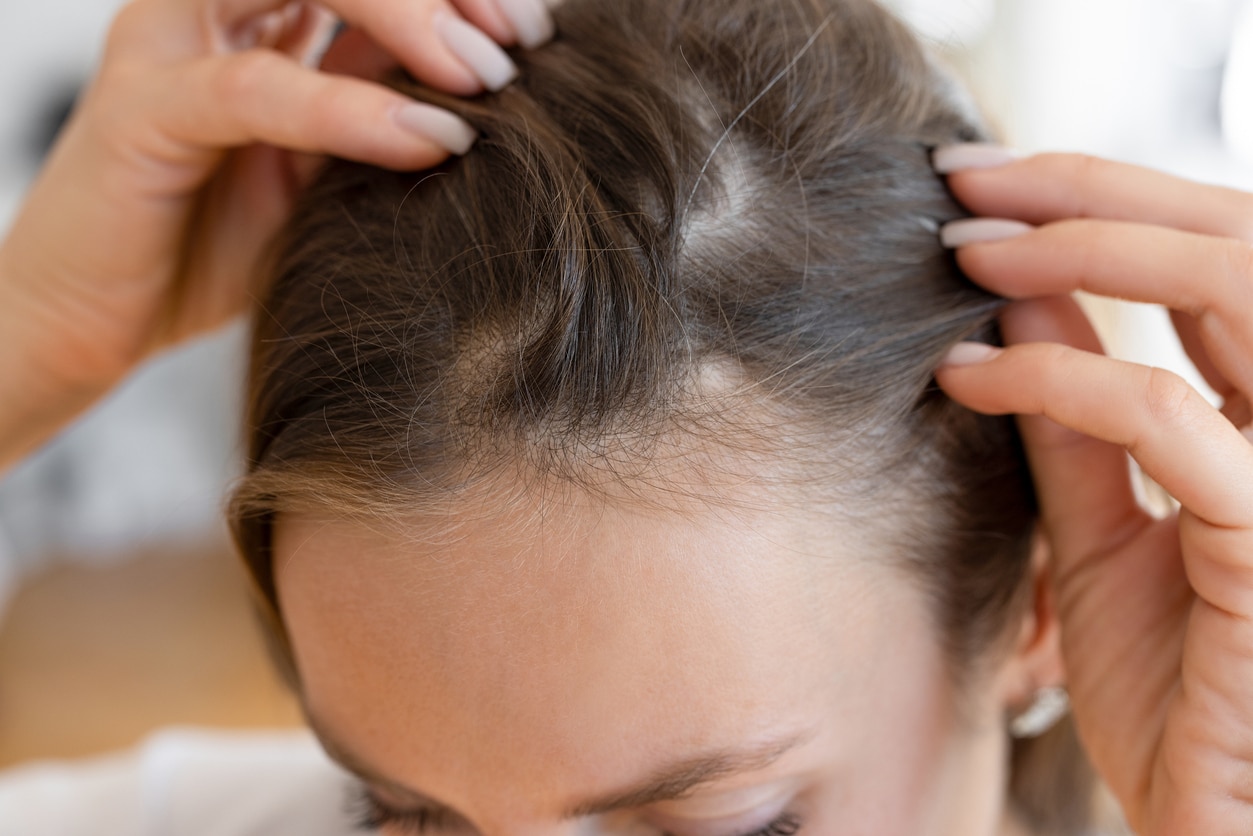
Androgenetic alopecia, or pattern hair loss, is the most common form of hair loss in men and women and usually develops gradually. Men may notice thinning near the temples or crown, while women often see reduced density along the part or top of the scalp.
Early changes can include a widening part, a receding hairline, less fullness at the crown, or a smaller ponytail. Because these changes happen slowly, they may be easy to overlook at first.
Alopecia Areata Often Looks Different
Alopecia areata is an autoimmune condition that can cause distinct patches of hair loss on the scalp, face, or body. The sudden appearance of a smooth bald area may raise concern, but the pattern alone does not confirm the diagnosis.
Several conditions can affect hair density, so examining the scalp and reviewing when and how the loss began are important parts of an evaluation.
Other Causes of Hair Loss
Alopecia areata and androgenetic alopecia are only two possibilities. Our medical dermatology services also address skin and scalp conditions that can affect healthy hair growth.
Telogen effluvium may cause increased shedding after illness, stress, pregnancy, medication changes, or rapid weight loss. Inflammatory conditions such as psoriasis and eczema can involve the scalp as well. Itching, scaling, burning, tenderness, eyebrow or eyelash thinning, and sudden changes in shedding are useful details to mention during your visit.
Matching Treatment to the Cause
Hair thinning can be an aesthetic concern, but treatment should start with understanding why it is happening. Genetic, autoimmune, inflammatory, hormonal, nutritional, and other factors may contribute to hair loss.
Depending on the diagnosis, our treatment options may include prescription topical therapy, oral medication for appropriate candidates, anti-inflammatory care for scalp disease, selected in-office treatments, nutrition or lifestyle recommendations when relevant, and ongoing monitoring. Many hair-loss treatments require approximately three to six months before noticeable improvement develops, so realistic expectations and follow-up are important.
Have Your Hair Loss Evaluated in New York, NY
If you are noticing patchy bald spots, gradual thinning, a widening part, or increased shedding, contact us to arrange an evaluation at Manhattan Dermatology in New York, NY. You can reach our East 36th Street office at 212-683-6073 or our Park Avenue office at 212-689-9587.